
Peter Bevan
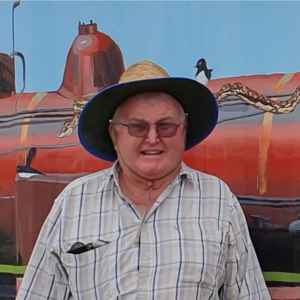
Peter Bevan is a passionate Australian native plant enthusiast and long standing member of West Moreton Landcare (WML). He has made a lasting contribution to Lowood through his vision, expertise and commitment to Australian native revegetation. What began in 2012 as a modest 50-metre planting beside the Brisbane Valley Rail Trail has grown into a 4.5-kilometre native plant corridor, supported by thousands of plants Peter propagated and donated from his hobby nursery. His work has attracted volunteers, plant specialists, community groups, businesses and all three levels of government, helping secure grants, equipment and a major private donation. Through strong partnerships and hands-on leadership, Peter has created an enduring environmental and community legacy for Lowood.
Jill Campbell
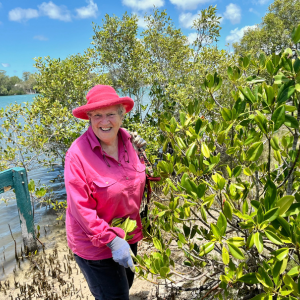
Jill Campbell has made an outstanding 20-year contribution to environmental protection in Noosa through dedicated grant writing, project leadership and hands-on conservation work. She has initiated and supported numerous weeding projects across the Noosa Biosphere, including creeks, dune areas, wetlands and fragile river systems. As President of the Noosa Integrated Catchment Association, she coordinates water testing, River Watch activities and rubbish removal from local waterways. Jill also works collaboratively with Noosa Council, state government and the Noosa Biosphere, including efforts supporting oyster reef restoration in the Noosa River. Her commitment, determination and leadership inspire volunteers and strengthen environmental care.
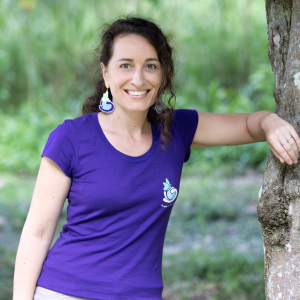
Dr Fanny de Busserolles
Raymond Ison
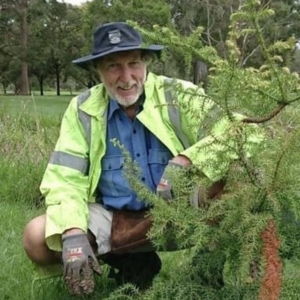
Raymond Ison has made a lifetime contribution to environmental conservation, education and animal welfare over more than 50 years. His achievements span bush skills training, environmental consulting, soil and land assessments, rehabilitation projects and leadership across multiple Landcare and catchment organisations. He helped found groups including Karawatha Forest Protection Society, Oxley Creek Catchment Association and Yimbun-Conondale Park Bushcare Group, securing funding and engaging regular volunteers. Ray also restores his own Land for Wildlife property, supports native and domestic animal protection, participates in bat rescues, and volunteers with numerous conservation organisations, demonstrating enduring commitment to biodiversity and stewardship.
Kieran Richardt (Messines Farm)
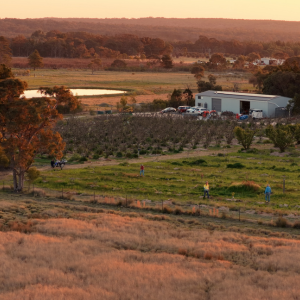
Kieran Richardt has transformed Messines Farm into a seven-hectare regenerative agriculture demonstration farm that integrates food production, ecological restoration and public education. Since 2020, Kieran, his family and the Natura Pacific team have restored soils, orchard systems, waterways and native habitat while retaining one third of the property as bushland. Through practices such as living groundcovers, deep mulching, composting, biochar, rotational grazing and water-sensitive creek restoration, the farm demonstrates practical ways to rebuild natural systems. Kieran’s work also supports threatened species research and shares lessons openly through videos, documentaries and screenings, inspiring broader understanding of resilient farming and biodiversity.
Jax Bergersen
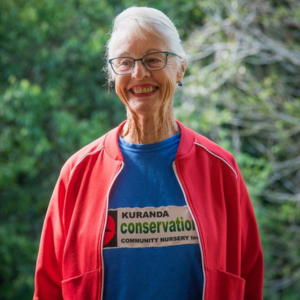
Jax Bergerson has made an outstanding 30-year contribution to cassowary protection and rainforest restoration in the Kuranda region. She founded and leads the Kuranda Community Conservation Nursery, growing local rainforest trees on her own land for revegetation projects while building a supportive volunteer network. Her work has advanced habitat restoration, community education, advocacy and biodiversity protection for the endangered Southern Cassowary. Jax has also championed the Kuranda Envirolink Corridor, helping protect genetic links between cassowary populations from the Daintree to Mission Beach. Through generosity, leadership and succession planning, she has created a lasting conservation legacy.
NaturallyGC
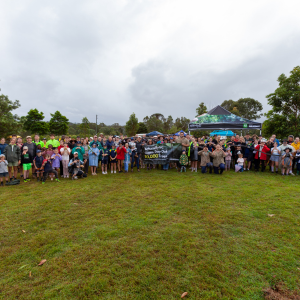
NaturallyGC has achieved more than 25 years of environmental leadership as the City of Gold Coast’s flagship community environment program. Since 1999, it has empowered residents, volunteers, schools, businesses and partner organisations to restore and protect the city’s natural areas. Working with 12 Landcare and Bushcare groups across more than 28 conservation sites, it supports revegetation, habitat restoration, wildlife conservation, citizen science, waterway health and pest species management. The program also delivers youth education, Junior Landcare, school holiday activities and corporate Landcare. With funding, expertise and around $1 million annually in bush regeneration investment, NaturallyGC builds lasting community stewardship.
Green Thumb Farm
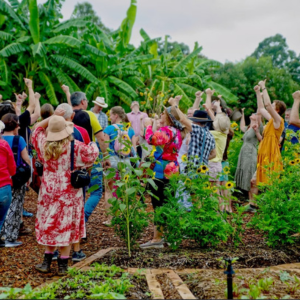
Green Thumb Farm has transformed degraded land in Samford Valley into a thriving, community-led regenerative agriculture education site. As a not-for-profit charity, it teaches people of all ages and abilities how to grow organic, chemical-free food, rebuild soil biology and make healthier, local and seasonal food choices. In just two and a half years, the farm has become a productive living laboratory that supports pollinators, local wildlife and carbon sequestration. Through inclusive programs for families, children, corporate groups, urban residents and landholders, GTF strengthens food security, community resilience and environmental stewardship while inspiring more sustainable lifestyles.
Steve Plant
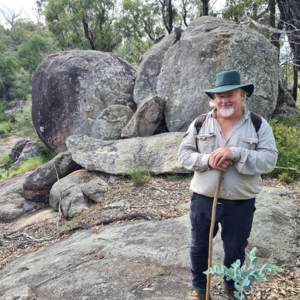
Steve Plant has made a major contribution to landcare in the Crows Nest area over nearly 30 years. Beginning with Friends of the Park in 1998, he shared his extensive flora knowledge as field crew supervisor for Council’s natural resource management trainees, contributing to award-winning state and national projects. His most significant achievement is his advocacy and ongoing management of the 41-hectare Dingo Mountain Environmental Reserve. Steve recognised the development risk, developed a preservation proposal, and helped secure the site as a community environmental asset. A 2024 survey confirmed its ecological importance, including rare flora, koalas and endangered Greater Gliders.
Keith Brown
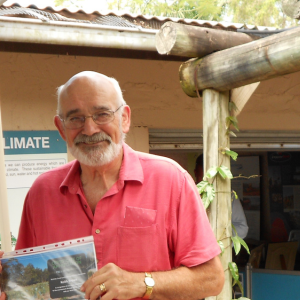
Keith Brown has made an outstanding contribution to Landcare and community service across Brisbane for more than 18 years. As a founding member of Brisbane Catchments Network, he helped establish a coordinated umbrella organisation to strengthen collaboration among catchment groups. He has played key leadership roles in revitalising Bayside Creeks Catchment Group, serving as Secretary, President, Treasurer, grants officer and events organiser. Keith has also led and supported Bushcare groups, mentored volunteers and improved governance, communication and cooperation across Brisbane’s urban Landcare sector. His long service with Special Olympics further reflects his commitment to inclusion and community wellbeing.
Ian Sutherland
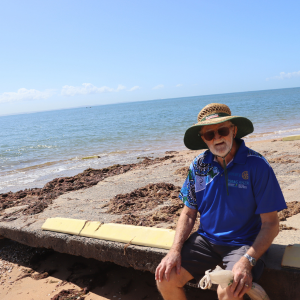
Ian Sutherland has made a sustained contribution to cleaner, healthier beaches on the Redcliffe Peninsula. Since 2012, his regular walks along Scarborough Beach, Queens Beach North and Queens Beach have grown into a long-running one-person marine debris clean-up across five kilometres of foreshore. His efforts, recorded through the Tangaroa Blue AMDI system, show measurable improvements, with debris falling from 12.5kg in 2024 to 11.1kg in 2025 and collected items dropping from 853 to 281. His reporting helped prompt Council-supported signage, raising public awareness and encouraging wider community participation, especially from children.
Lucy Smith
Lucy Smith has advanced sustainability education and waste reduction across the Whitsundays through Zero Waste Solutions. With a background in Conservation Biology, she co-founded Zero Waste Whitsundays, co-wrote more than 100 local newspaper columns, and began delivering practical workshops in 2022 on eco cleaners and personal products. Centred on sustainability, education and community, ZWS works with local council to provide waste education in regional schools, receiving strong positive feedback. The organisation also partners with community gardens, supports workshops for schools and garden members, builds links with the Women’s Crisis Centre, and promotes recycling and sustainable living at local events.
Edge Early Learning Marsden Group
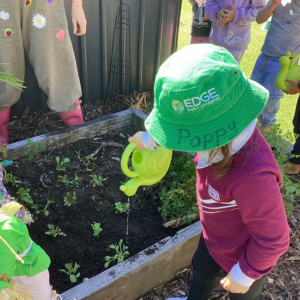
Edge Early Learning Marsden is a 138-place long day care centre with 30 educators committed to sustainability, nature and land-based learning. Led by a hands-on centre manager, the centre embeds environmental responsibility across its play-based programs for children under five. Achievements include establishing productive garden planters growing bananas, pineapples, pawpaw and citrus, running an insect life cycle program that has released butterflies and lady beetles, caring for native stingless bees with annual hive checks, and growing flowers to support pollinators. The centre also acts as a bottle-cap collection point and runs recycling and upcycling mini projects.
Bribie Island Environmental Protection Association Inc.
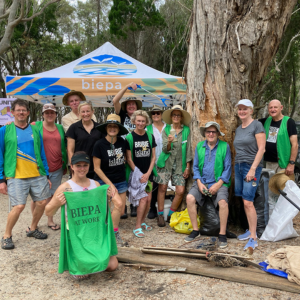
BIEPA has protected Bribie Island’s fragile ecosystems for nearly 50 years through advocacy, habitat restoration, invasive species control and active community landcare. Its achievements include rejuvenating Ernest Sendall Park, restoring Woorim dunes, removing rubbish, monitoring water quality and leading a major habitat restoration project at Buckleys Hole Conservation Park. Volunteers contribute around 136 hours weekly to Buckleys Hole alone, with an annual in-kind value of about $507,000. Since 2018, BIEPA has removed approximately 40,800 cane toads, preventing an estimated 734.5 million eggs, and since 2024 has eradicated 1,373 Common Mynas, protecting local biodiversity.
Peace Park Arboretum Bushcare group
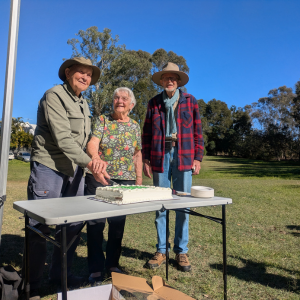
Peace Park Arboretum Bushcare Group has preserved and showcased the endangered Rosewood Scrub dry rainforest ecosystem since 1994. Created through collaboration between local environmental advocates, Native Plants Queensland’s Ipswich branch and Ipswich City Council, it protected a two-hectare parkland site that had been earmarked for residential development. The arboretum now serves as a living botanical collection of locally indigenous plants from an ecosystem reduced to less than 2% of its original extent. It conserves rare and endangered species, supports ecological restoration, educates the community, and fosters long-term stewardship of native vegetation in the Ipswich region.
Capricorn Conservation Council Youth Sub-Committee
Robbie Porter
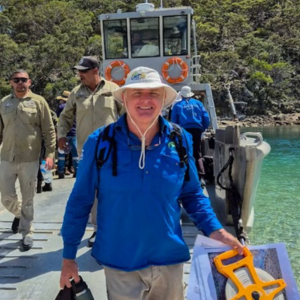
Robbie Porter has pioneered scalable, community-led shellfish reef restoration across Australia through innovative systems such as the Robust Oyster Basket and Quilted Oyster Doona. Designed for practical use by volunteers, schools, Men’s Sheds, Traditional Owners and community groups, his methods have restored marine habitat while diverting more than one million kilograms of oyster shell from landfill. Robbie has led culturally collaborative projects on Woppaburra Sea Country, supported Ranger training, and partnered with major universities to advance restoration science. With thousands of systems deployed across Queensland and beyond, his work is shaping the future of shellfish reef and living seawall restoration.
Kolan South State School
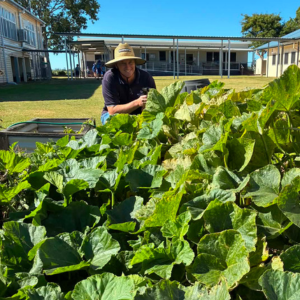
Kolan South State School has embedded Landcare and sustainability into everyday learning through practical, student-led gardening activities. With support from Chaplain Evan, students develop and maintain a productive school garden, learning about sustainable food production, nutrition, soil health, water use and environmental responsibility. The school-wide Sunflower Growing Competition engaged every student in planting, nurturing and documenting plant growth, strengthening observation, care and reflection skills. Harvested produce is shared with students, staff and families, extending learning into the community. These initiatives build wellbeing, teamwork, environmental awareness and pride, empowering students to care for their surroundings and act sustainably.
Bruce Lord
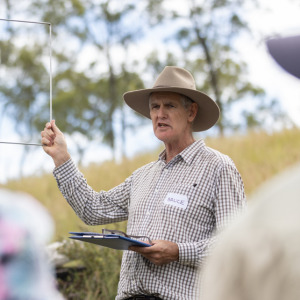
Bruce Lord’s achievements centre on decades of practical, respected leadership in sustainable grazing and land management across Queensland. Drawing on multi-generational farming experience and tertiary land management expertise, he has supported graziers and landholders to adopt sustainable practices through several hundred workshops involving thousands of participants. His holistic approach has improved management of thousands of hectares, helping landholders understand and protect soils, vegetation, waterways, wetlands and biodiversity. Bruce has also built enduring networks with Landcare groups, industry, government, councils and individual landholders. He has shown dedication, practical wisdom, rural hospitality and commitment to Sustainable Agriculture.
Watergum Community Inc
Watergum Community Inc has achieved 25 years of nationally recognised community-based conservation, connecting people with practical environmental action across land and sea. Through its “Community for Environment” philosophy, Watergum engages more than 10,000 volunteers annually and works with landholders, community groups, businesses and government agencies to restore habitat, protect waterways, improve biodiversity and build ecosystem resilience. Its programs include threatened species recovery, drone monitoring, land management and citizen science initiatives such as TurtleWatch and PlatypusWatch. Watergum also leads Australia’s largest community cane toad control program and supports over 40 member groups, strengthening long-term environmental stewardship.
Robyn Zackreson
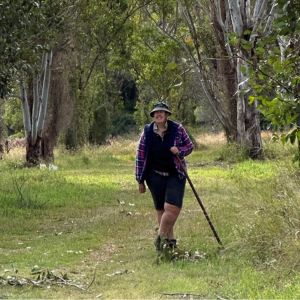
Robyn Zackreson has transformed her 540-acre South Burnett property into a significant private refuge for koalas and native wildlife. Over 25 years, she has protected 200 acres for conservation, restored riparian zones, planted more than 1,000 native trees and strengthened wildlife corridors. Her work supports koalas, including around 20 resident animals and six recent joeys, as well as bandicoots, echidnas, rakali and over 110 bird species. Robyn also propagates locally adapted koala food trees for the wider community, supports citizen science and conservation groups, and inspires others to restore habitat and protect native biodiversity.
Emma Green
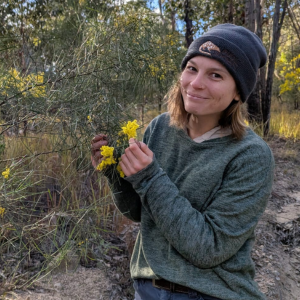
Emma Green has made a strong contribution to environmental volunteering and conservation leadership over more than eight years. With a Wildlife Science background, she began volunteering to build hands-on experience and has since become a committed leader with the Quoll Society of Australia and Friends of Plunkett Conservation Park. Emma contributes to raptor surveys, cane toad control, bioblitzes, seagrass surveys, habitat restoration, camera trapping, quoll trapping and collaring. She co-founded Friends of Plunkett and now leads restoration planning and monthly working bees targeting lantana and invasive vines, combining conservation action with community connection.
Jason Roebig
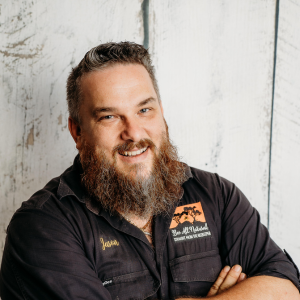
Jason Roebig has made an outstanding contribution to native bee conservation, pollinator education and community stewardship across South East Queensland. Since beginning beekeeping in 2013, he has rescued and rehabilitated more than 300 native stingless bee colonies threatened by clearing, development and infrastructure works. Through BEES In Schools, workshops, public talks and community events, Jason has educated thousands of people about pollinators, biodiversity and habitat protection. He has built strong partnerships with councils, arborists, contractors, businesses and residents, creating a proactive rescue network. His work inspires schools and communities to protect native bees and restore pollinator habitat.
Kiara Harley-Craig
Kiara Harley-Craig is an emerging environmental leader combining study, advocacy and creativity to promote sustainability. As a second-year Bachelor of Environmental Science student majoring in ecology and conservation, and a Diploma of Sustainable Living student, she has already built strong foundations in environmental knowledge. She completed the Aussie Wildlife Course in 2021, founded the Griffith Environment Society within six months of starting university, and was elected to the Student Representative Council, where she advocates for student voices and environmentally minded initiatives. Through art, writing and sustainable fashion interests, Kiara aims to inspire broader community change and circular economy thinking.
Natasha Roebig
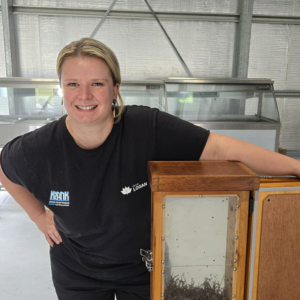
Natasha Roebig has made a significant contribution to pollinator conservation, biodiversity protection and environmental education across South East Queensland. Through Bee All Natural Honey, Adopt A Beehive and the BEES In Schools program, she has connected communities, schools, businesses and government partners with practical conservation action. Her work promotes native habitat restoration, pollinator-friendly gardens, sustainable land management and environmental awareness. Natasha has inspired thousands of people to understand the link between healthy pollinators, resilient ecosystems and thriving communities. Recognised through the Queensland AgriFutures Rural Women’s Award and Australian Rural Leadership Program, she demonstrates strong environmental leadership.
Sybil Bekavac
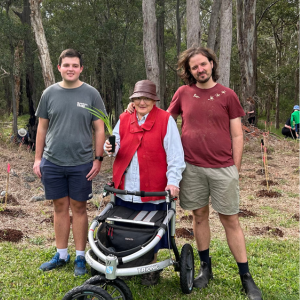
Sybil Bekavac has dedicated 50 years to protecting and restoring four hectares of bushland on her property, creating a lasting conservation legacy. Through decades of hands-on weeding, planting and stewardship, she has safeguarded habitat that might otherwise have been cleared or overwhelmed by invasive weeds. Sybil became a valued partner in Brisbane City Council’s Land for Wildlife program and the Upper Tingalpa Creekcare initiative, supporting water quality and biodiversity. Even in later life, she has funded weed control, co-funded wetland restoration plantings, encouraged future koala habitat work, and inspired her family to continue caring for the land.
Wesley Nielsen
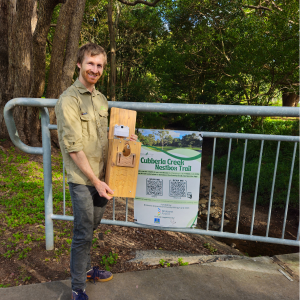
Wesley Nielsen has combined environmental commitment and engineering innovation to improve habitat support for hollow-dependent wildlife. Since 2023, he has developed tree-safe nest boxes with solar-powered monitoring technology, allowing communities to view wildlife through the Comfy Creatures app. In partnership with Cubberla Witton Catchments Network, he secured funding for a 31-box nest box trail along Cubberla Creek, supported by interpretive signs and QR-linked education. Around 200 units are already installed across South East Queensland, with another 160 committed. Wesley’s scalable model supports habitat creation, citizen science, community education and conservation while restored landscapes mature.
Noosa & District Landcare Group
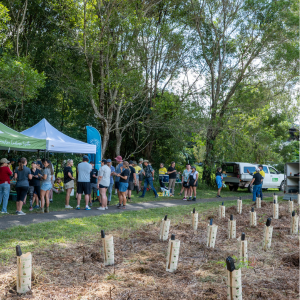
Noosa Landcare has delivered more than three decades of community-led environmental restoration, education and stewardship across Noosa and surrounding catchments. Since 1991, it has grown into a diverse organisation combining professional ecological services with strong volunteer participation and partnerships with Traditional Owners, councils, agencies, universities, landholders and community groups. In 2024–25, Noosa Landcare worked with 15 major land managers and delivered 176 restoration projects. Its programs restore habitat, reconnect wildlife corridors, improve water quality, support threatened species recovery and sustainable agriculture. With 650 members, 44 events and 300,000 native plants produced annually, it creates lasting conservation impact.
Genevieve Robey
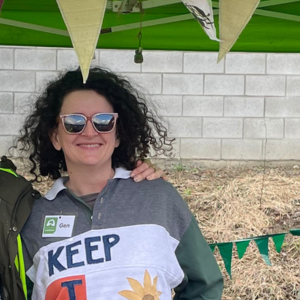
Genevieve Robey has made a significant contribution to Landcare through both practical conservation and skilled communications. She manages a 50-hectare Land for Wildlife property and wildlife refuge at Maroon, supporting ecological education, citizen science and habitat initiatives such as glossy black cockatoo nest tubes. Across B4C, Brisbane Catchments Network, Boonah and District Landcare, BOSS and OCCA, she has strengthened websites, newsletters, social media, events, governance, grants and community engagement. Gen also supports sustainable fashion, recycling, waste reduction and environmental advocacy, quietly connecting people, resources and ideas to advance positive environmental change.
Alyson Shepherd
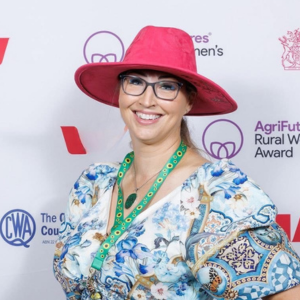
Alyson “Ally” Shepherd has built Norma-May Honey into a sustainability-focused enterprise that promotes ethical beekeeping, pollinator protection and inclusive environmental education. Through community workshops, Bees-in-Schools activities and the award-winning Pollinator Warrior Program, she connects children and communities with bee-friendly landcare. Her program supports neurodivergent and autistic young people while contributing research into the benefits of nature-based learning. Ally is also pioneering chemical-free varroa mite control using heat treatment, sharing knowledge through speaking, podcasts and online platforms. Recognised through multiple business and agriculture awards, she turns personal resilience into practical environmental leadership.
Elijah Richardson
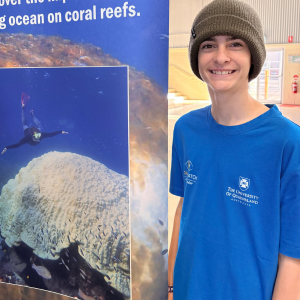
Elijah Richardson is a passionate 13-year-old ocean advocate and emerging environmental leader from Bargara, near the southern Great Barrier Reef. He educates schools, communities and online audiences about ocean life, marine debris, reef health and conservation action. As the first CoralWatch Youth Ambassador, Tangaroa Blue Ambassador, Capricorn Conservation Council Youth Member and NeuralFin Australian Youth Ambassador, Elijah has contributed to reef monitoring, beach cleans, event stalls, youth advocacy and community presentations. He has inspired youth ambassador programs, represented young people in environmental discussions, and used his voice to encourage practical action for reefs, sharks, marine life and nature.
Mt Etna OGRES
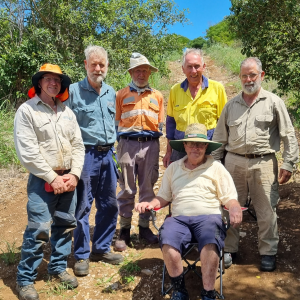
The OGRES (Old Guys Restoring Ecosystems) have spent more than a decade restoring ecosystems at the former Mt Etna mine site as QPWS volunteers. What began with six retirees has grown into a diverse volunteer group working weekly to reconnect two sections of Mt Etna Caves National Park through revegetation. The group undertakes every stage of restoration, including site preparation, local seed collection, propagation, planting, watering, plumbing and weed control. Their work is re-establishing semi-evergreen vine thicket, creating a green corridor and supporting nearby bent-wing and ghost bat populations. Recognised by QPWS, OGRES is regarded as a Central Queensland restoration exemplar.
Forever Reef Project (Great Barrier Reef Legacy)
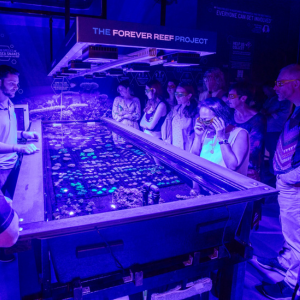
The Forever Reef Project has pioneered a world-first living coral conservation archive to safeguard Great Barrier Reef biodiversity. Established by Great Barrier Reef Legacy in 2019, the project responds to climate change, bleaching, disease and other threats by aiming to protect all 415 known hard coral species. It has already collected and maintained more than 200 coral species from across the Reef, creating the world’s largest and most diverse living coral collection. Combining science, aquaculture, genetics, education and community engagement, the project has earned national recognition and is building a model for future coral conservation hubs worldwide.
Eagleby Community and Wetlands Group
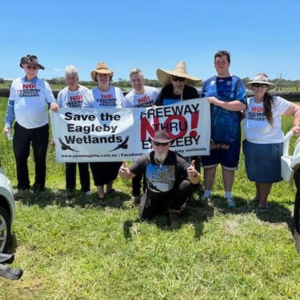
The Eagleby Community and Wetlands Group has spent more than seven years protecting the Eagleby Wetlands and surrounding floodplain through advocacy, community engagement and on-ground action. The group has lobbied local, state and federal governments against the impacts of the proposed six-lane Coomera Connector freeway, raising awareness of threats to wetlands, wildlife and the local community. It has hosted surveys, events and “Boots on the Ground” tours, highlighting Eagleby’s 281 bird species, including 46 migratory species. Through partnerships with BirdLife Southern Queensland, volunteers and supporters, ECWG has built a respected campaign for wetland and wildlife protection.
Friends of the Escarpment Parks Toowoomba Inc
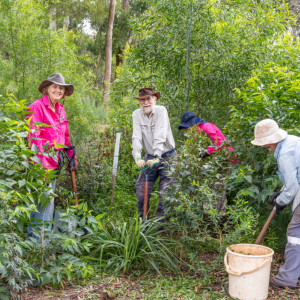
Friends of the Escarpment Parks Toowoomba has led community bushland regeneration for over 30 years, protecting remnant and endangered ecosystems across the Toowoomba–Highfields region. From a small volunteer group founded in 1994, FEP has grown to more than 80 members, with 58 active volunteers working across 15 bushland parks covering over 315 hectares. In 2025 alone, volunteers contributed 6,265 hours removing invasive weeds, supporting natural regeneration and revegetating native species. Through strong partnership with Toowoomba Regional Council, safe volunteer coordination, education, open days, school and business involvement, FEP delivers lasting conservation outcomes for local bushland.
Butchulla Aboriginal Corporation RNTBC
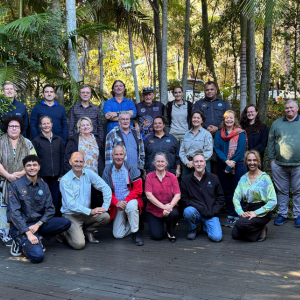
The Butchulla Aboriginal Corporation RNTBC has led a significant First Nations-driven Landcare achievement on World Heritage-listed K’gari. Since establishing the Butchulla Land and Sea Rangers in 2019, BAC has built strong partnerships with QPWS, government agencies, researchers, community groups and land managers to protect K’gari’s cultural and natural heritage. Its work has advanced biosecurity training, myrtle rust surveillance, climate change planning and collaborative risk management. In 2024, BAC secured a National Heritage Grant to develop a tenure-blind K’gari Biosecurity Strategy, integrating Butchulla knowledge, science and community governance to strengthen the island’s resilience.
Jessica Lovegrove-Walsh
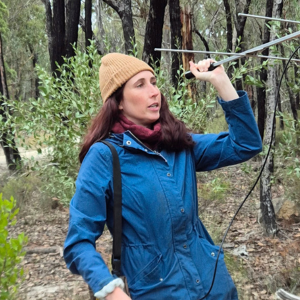
Jessica Lovegrove-Walsh has transformed support for conservation volunteers across Queensland. After founding Friends of Nerang National Park in 2020, she recognised that passionate groups were being held back by governance, insurance and administration. In response, Jessica conceived and led Friends of Parks Queensland, securing Queensland Government support in 2022 to help groups focus on restoration, wildlife protection, citizen science and community connection. Her model strengthens collaboration between volunteers, protected area managers and QPWS&P, while reducing pressure on rangers. From the Gold Coast to Mackay and the Granite Belt, Jessica’s vision is reshaping community-led conservation statewide.
Barbara Woods
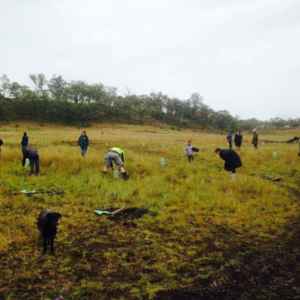
Barbara Woods has transformed a neglected Cambooya farm into a sustainable family property and wildlife refuge over 15 years. While balancing family responsibilities and full-time work, she restored the century-old farmhouse, improved land management for horses, crops and water systems, and helped establish annual Sunflower Festivals that promote the region and generate local economic benefits. With Landcare support, she planted 1,000 trees about 12 years ago to restore historic koala habitat, hand-watering them through drought. Her persistence has been rewarded with koala sightings and photographs, creating a fenced sanctuary that inspires visitors to value habitat protection.
Jim Napier
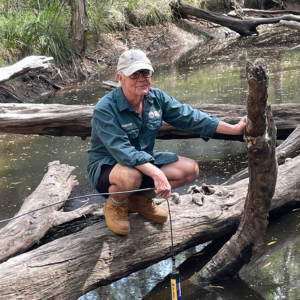
Jim Napier has made an outstanding contribution to trail management, community partnerships and bushland care across Daisy Hill and Logan over 18 years. Beginning as a Logan City Council Natural Area Officer in 2006, he turned conflict over unauthorised trail building into cooperation by working alongside local trail users. This led to the Logan Community Trail Care Alliance, which he co-created and coordinated. Jim continued volunteering across council and QPWS-managed trail networks, including Daisy Hill Forest. In 2017, he helped establish the Daisy Hill Natural Area Volunteers, which he still coordinates, strengthening community trust and conservation outcomes.
Linese Norrish
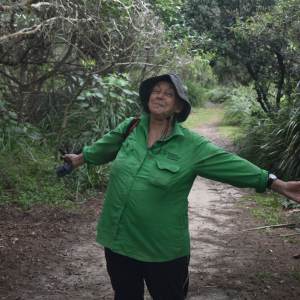
Linese Norrish has been the driving force behind the restoration of Stumers Creek Watercourse at Coolum Beach for nearly 20 years. Beginning in 2006 with a single volunteer’s determination, she turned a neglected, weed-infested one-kilometre drainage corridor into a thriving natural habitat supporting native vegetation, birdlife and wildlife. Despite early discouragement, Linese coordinated Clean Up Australia Day working bees and thousands of volunteer hours to remove invasive weeds, restore water flow and revegetate with local native species. Now aged over 80, she continues volunteering weekly, inspiring community stewardship and creating a valued natural space.
OzFish Unlimited - Central Moreton Bay Chapter
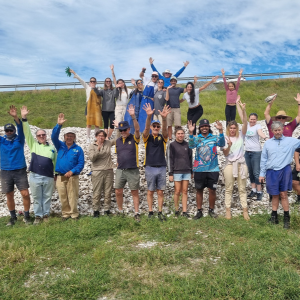
OzFish’s Central Moreton Bay Chapter has built Australia’s largest community-driven shellfish reef restoration project from one founding member in 2017 to hundreds of members and more than 43,000 volunteer hours. Working from the Port of Brisbane, volunteers operate the Southern Hemisphere’s largest shell recycling plant, fabricate Robust Oyster Baskets, pack them with recycled shell and deploy them across Moreton Bay to rebuild lost shellfish reefs. Their science-backed work attracts oyster spat, creates living reef habitat, supports marine biodiversity and increases fish productivity. The Chapter now trains others nationally through OzFish’s Shellfish Revolution, spreading restoration expertise across Australia.
Vera Lacaze Memorial Kindergarten
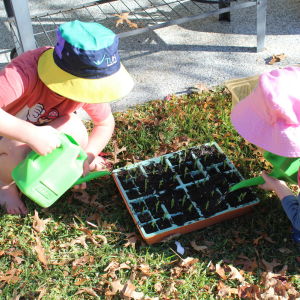
Vera Lacaze Memorial Kindergarten is creating a meaningful early childhood Landcare initiative through Little Landcarers: Caring for Country Through Children’s Eyes. The project will engage 66 children in hands-on environmental learning focused on Darling Downs biodiversity, native plants, wildlife and Caring for Country. With guidance from a local Aboriginal Elder or Knowledge Holder, children will explore local ecosystems, record observations in nature journals and contribute ideas to a collaborative mural. Supported by educators, families, a local artist and community partners, the initiative will create a lasting outdoor learning space that inspires curiosity, respect for nature and environmental stewardship from an early age.
Friends of Tallebudgera Creek Conservation Park
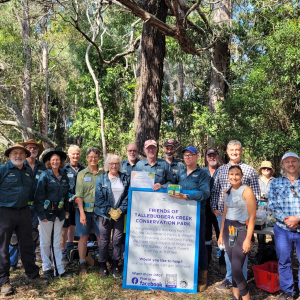
Friends of Tallebudgera Creek Conservation Park has transformed a degraded intertidal ecosystem into a thriving model of community-led restoration. Since forming in 2021, the group has mobilised more than 100 volunteers, secured multiple grants and restored around 80% of the park through invasive weed removal and natural regeneration. Its work has supported threatened plants, biodiversity monitoring, citizen science, school visits, guided walks and community education. The return of koalas after 20 years highlights its ecological impact. The group’s advocacy also helped secure $630,000 for professional restoration and volunteer coordination across nearby parks.
Mary River Catchment Coordination Association
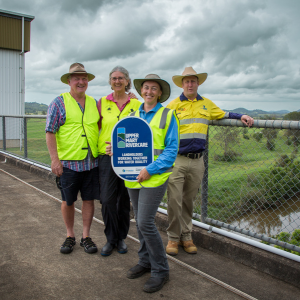
The Mary River Catchment Coordinating Committee has delivered a long-term, partnership-based approach to improving water quality and sustainable dairy farming in the Mary River catchment. Through its 50-year rehabilitation vision, MRCCC works with Seqwater and landholders to reduce erosion, nutrient, pathogen and sediment run-off affecting drinking water, threatened aquatic species, the Great Sandy Strait and southern Great Barrier Reef lagoon. Its framework combines producer co-design, peer learning, spatial mapping, property planning and co-investment. By aligning catchment protection with farm productivity, effluent reuse and riparian resilience, MRCCC has secured strong landholder participation and practical, source-based environmental improvement.
Deborah Metters
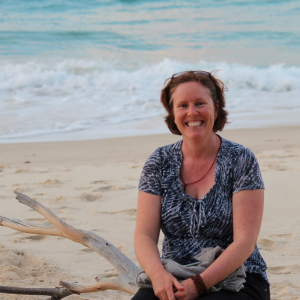
Deborah Metters has made an outstanding 22-year contribution to private land conservation through her leadership of the Land for Wildlife South East Queensland program. As Regional Coordinator, she has guided one of Australia’s most successful voluntary conservation initiatives across 13 local government areas, supporting collaboration between councils, environmental organisations, Indigenous groups and landholders. Deborah has empowered thousands of private landholders to protect and restore biodiversity, produced the program’s quarterly magazine for more than two decades, and strengthened practical land management knowledge across the region. Her legacy includes more than 5,500 participating properties and a strong conservation network.
Maleny State School Garden Club
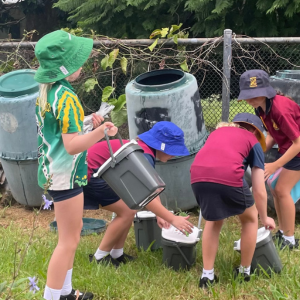
Maleny State School Sustainability Team has embedded waste reduction, gardening and sustainable food production into daily school life. Inspired by a 2018 recycling centre excursion, the team created a whole-school waste management program that reduces landfill, greenhouse emissions and food waste through composting, worm farms, chickens, Containers for Cash, reusable items, rainwater use and Nude Food promotion. Around 30 students attend daily Garden Club, with younger students now joining and older students taking leadership roles. Through waste audits, curriculum links, aquaponics, parades and community events, MSS builds student awareness, responsibility and leadership while spreading sustainability practices to families and the wider community.
Emma Hawthorne
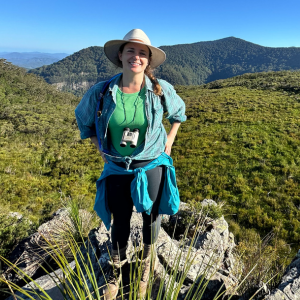
Emma Hawthorne has shown strong leadership as coordinator of Springbrook Weed Busters since 2022, building on her volunteer involvement since 2020. She organises working bees, manages permits, promotion, attendance, safety reporting, invoices and grant applications, while creating welcoming, educational events with guest speakers and workshops. Emma secured Landcare community grants to fund extra activities, volunteer support and equipment. Her standout achievement is the Carricks Creek restoration project, where she coordinated volunteers and a botanist to plant 450 locally appropriate trees on a weed-dominated site. Through ongoing bird surveys and community engagement, she is helping restore habitat and inspire volunteers.
Chris Rek (Wetland Walkabout)
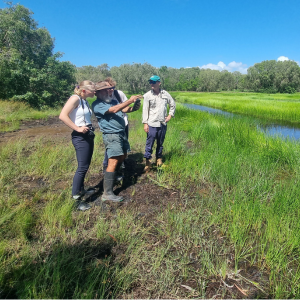
Chris Rek has transformed Wetland Walkabout from a former grazing property into a thriving 32-hectare wetland refuge through more than 40 years of stewardship. Motivated to give back to nature, he restored tidal flows, supported wetland rehabilitation, planted more than 14,000 native plants and helped create a 1.4-kilometre walking track for education and community access. Chris has united Reef Catchments, Pioneer Catchment Landcare, Yuwi Traditional Owners, volunteers and government programs around a shared restoration vision. His leadership, generosity and collaboration have created a lasting community asset that demonstrates partnership-driven landcare success.
Vincent Watego
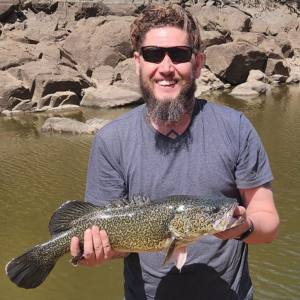
Vincent Watego has rapidly transformed a lifelong passion for wildlife into meaningful conservation impact. Over the past 2.5 years, he has shifted from a successful tattoo career into volunteering and professional bush regeneration, despite a significant pay cut. Inspired by wildlife photography and a Friends of Parks Queensland frog walk, Vincent now volunteers across southern Queensland, including Girraween, Bellthorpe and Nerang National Parks. As volunteer coordinator for Friends of Nerang National Park, he organises ecological restoration, citizen science and community wildlife activities. His enthusiasm, practical contribution and ability to connect people with nature are strengthening conservation engagement.
Ocean Connect
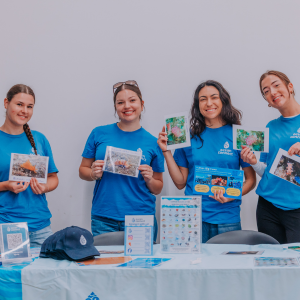
Ocean Connect has spent more than a decade connecting Gold Coast communities with marine conservation through citizen science, education and practical action. Since 2014, it has grown from a small community stall into a leading not-for-profit engaging thousands of people each year across beaches, estuaries, mangroves, seagrass meadows, reefs and rocky shores. Its programs, including Sea Slug Survey, Seagrass Monitoring, Wonder Reef Citizen Science and Mangrove Ecoacoustics, generate valuable ecological data while empowering volunteers, students and ocean users. Through education, internships and partnerships, Ocean Connect builds lasting community stewardship for coastal ecosystems.
Friends of Parks Queensland
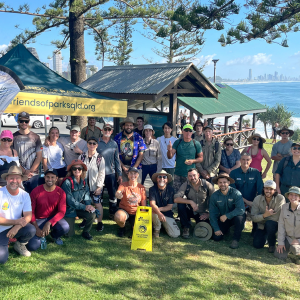
Friends of Parks Queensland has quickly become a statewide force for community-led conservation since its establishment in 2022. Created to support and connect volunteer groups working in Queensland’s protected areas, FoPQ helps new and existing Friends groups overcome governance, insurance and administrative barriers so they can focus on habitat restoration, weed control, threatened species protection, citizen science and community education. The organisation strengthens collaboration between volunteers, QPWS&P, Traditional Owners, researchers, councils and conservation partners. From the Gold Coast to Mackay and the Granite Belt, FoPQ is building volunteer capacity, easing pressure on rangers and expanding active stewardship across Queensland’s protected areas.
Margaret Milgate
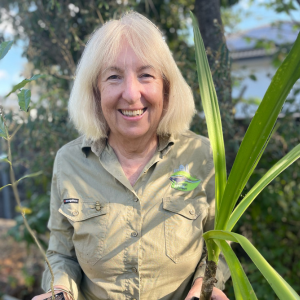
Margaret (Margie) Milgate has made a long-standing contribution to Landcare through both professional and volunteer leadership since the Decade of Landcare in the 1990s. As a founding member of the Norman Creek Catchment Coordinating Committee in 1996, she has remained actively involved for nearly three decades, serving as President and Secretary. Margie helped develop the Environmental Management Plan for the Greenslopes Demonstration Catchment Project, restoring a 1,000-metre section of Norman Creek with improved riparian, instream and aquatic habitat. The project won a Queensland River Care Award. She continues contributing through working bees, events and catchment stewardship.
Angela Armitage
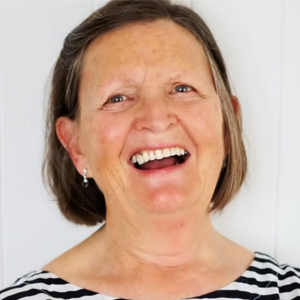
Angela Armitage has shown exceptional environmental leadership across New Zealand and Australia for more than 15 years. In New Zealand, she transformed a commercial tourism property into Northland’s only Enviro Gold Holiday Park and contributed to Kiwi Coast, supporting predator control, ecological corridors and kiwi recovery. After relocating to Queensland, Angela joined BIEPA in 2020, became Vice President in 2022, and now leads its Flora Team while supporting sustainability, community and fundraising work. Her major focus is Buckleys Hole Conservation Park, where she initiated and co-leads a three-hectare restoration project protecting native vegetation, bird habitat and coastal ecosystems.
Peter Alexander
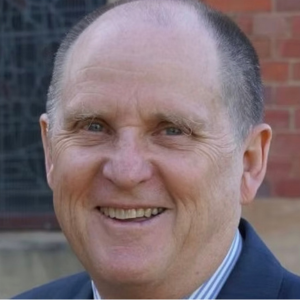
Peter Alexander has contributed more than five decades to land and wildlife preservation, combining practical conservation leadership with professional spatial science expertise. As President of Wingecarribee WIRES, he coordinated wildlife rescues, habitat corridor advocacy and volunteer networks, helping return hundreds of animals to the wild. Now with BIEPA on Yarun/Bribie Island, Peter co-coordinates the Buckleys Hole Community Restoration Project, using his surveying skills to map a three-hectare priority restoration zone into operational sectors. His work supports weed control, coastal habitat protection, turtle conservation, water quality monitoring, oyster reef restoration and community education, turning complex environmental challenges into achievable action.
Robyn Adams
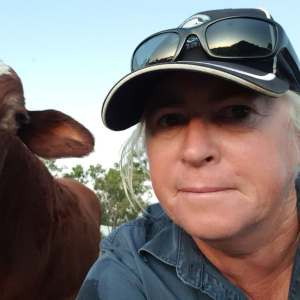
Robyn Adams has transformed Stratford, a rundown southern Desert Uplands grazing property, into a model of adaptive, sustainable land management. After returning to western Queensland, she invested in infrastructure, grazing management, pasture monitoring and livestock improvement while building strong networks with progressive land managers and scientists. Since joining QDPI’s Long-Term Carrying Capacity Project in 2004, Robyn has used data, field learning and “Strategic Resting” to rebuild native pastures, groundcover and species diversity. Two decades later, Stratford’s pastures improved while comparable rangeland sites declined, demonstrating Robyn’s practical leadership in resilient grazing, biodiversity conservation and cultural landscape stewardship.
Co Exist Queensland
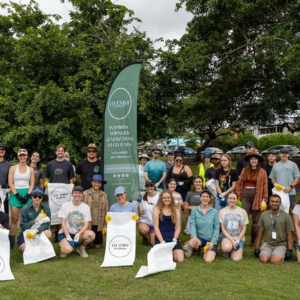
Co-Exist QLD has grown into the strongest state network of Australia’s youth-led conservation movement since beginning in Queensland in 2022. Across Brisbane, Cairns, Townsville, the Sunshine Coast and Gold Coast, 32 volunteer leaders have engaged 2,144 attendees through 149 events. Their achievements include planting 3,975 native trees and removing 1,383.4 kilograms of litter from beaches, waterways and reserves. Through Co-Exist’s leadership program, young people gain practical skills in project management, grants, finance, social media and public speaking. With Future Forests, active outreach, the Co-Exist app and a forthcoming documentary, QLD is inspiring a new conservation generation.
Barfield Road Producer Group
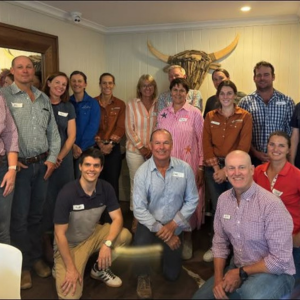
The Barfield Road Producer Group has become a respected model for collaborative, producer-led sustainable agriculture in Central Queensland. Established in 2019, BRPG now represents more than 25 farming families managing around 30,000 hectares of grazing land, 3,000 hectares of cropping country and over 20,000 cattle. Formed in response to drought, climate variability and the need to demonstrate sustainable food production, the group promotes best-practice grazing, soil health, biodiversity, animal welfare, natural capital and business resilience. Through field days, workshops, demonstration sites and peer learning, BRPG strengthens land stewardship, innovation, trust and regional farming resilience.
Conservation Partners
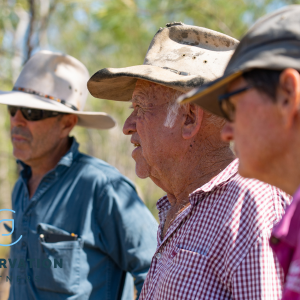
Conservation Partners has developed a practical model for protecting threatened species on working pastoral properties. Established in 2019, the organisation embeds long-term, science-guided conservation within day-to-day station operations, proving biodiversity protection can work alongside viable production. Through partnerships at Artemis Station in Cape York and Chidna Station in north-west Queensland, CP co-designs and delivers threat abatement with landholders, managing feral predators, inappropriate fire and grazing pressure. Its embedded conservation teams combine applied ecological science, consistent on-ground delivery and strong pastoral partnerships. CP is now expanding this repeatable model across priority landscapes to secure lasting conservation outcomes.
No More Butts Organisation
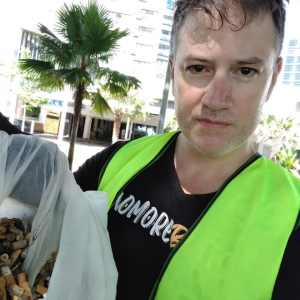
No More Butts has led community action against tobacco product waste since 2020, tackling one of the world’s most common forms of plastic pollution. Through the Big Butt Hunt, citizen science, education and advocacy, the charity has engaged more than 400 volunteers to remove cigarette butts from beaches, waterways, parks and urban spaces across Queensland and beyond. Its programs collect valuable litter data, identify pollution hotspots and contribute to CSIRO’s National Plastics Pollution Portal. By shifting public perceptions of cigarette butts from nuisance litter to environmental harm, No More Butts supports better waste management, recycling and policy change. The group has been nominated in 2 categories.
Longreach Landcare Group
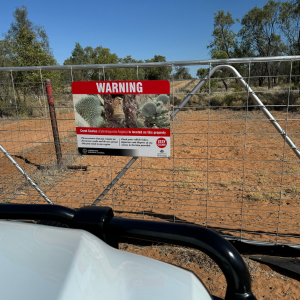
Longreach Landcare has led a coordinated response to a major Coral Cactus and Jumping Cholla infestation threatening the Darr and Thomson river catchments, Cooper Creek and Lake Eyre system. Building on 50 years of landholder effort, the group shifted control from isolated property action to a shared Pest Management Plan across six blocks and about 100,000 acres. Working with Desert Channels Queensland, Longreach Regional Council, neighbouring landholders, Indigenous groups, QFES and volunteers, LLC delivered large-scale weed treatment, biodiversity monitoring, bird surveys and water bug counts. Its success has prompted broader catchment-wide planning by DCQ.
Leonard Lowry
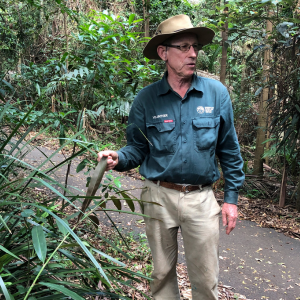
Len Lowry has made an extraordinary 38-year contribution to Tamborine National Park through Friends of Tamborine NP, Queensland Parks and Wildlife Service’s longest-running affiliated volunteer group. For 31 years, he has coordinated work projects, trained and supervised volunteers, managed administration and produced monthly newsletters. His hands-on work includes weed eradication, rainforest revegetation, track maintenance, tool repair, seed collection, propagation and nursery care. Beyond Tamborine, Len has volunteered at Jollys Lookout, Avocet Nature Refuge and Land for Wildlife properties, supporting threatened species monitoring, infrastructure maintenance, weed control and habitat restoration across Queensland.
Maggie Muurmans
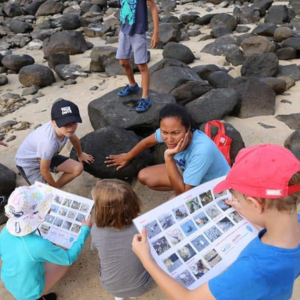
Maggie Muurmans has dedicated more than 20 years to conservation, environmental education and community engagement across Australia, Asia, Latin America and the Pacific. As co-founder of Ocean Connect, she has helped grow a grassroots Gold Coast initiative into a thriving community-led marine conservation organisation engaging thousands of people through citizen science, education and stewardship. Her work connects communities with seagrass monitoring, mangrove conservation, biodiversity surveys and habitat protection. Earlier, in Indonesia, Maggie co-founded Yayasan Pulau Banyak, helping eliminate turtle egg poaching through community partnerships, education, sustainable livelihoods and ecotourism. Her leadership empowers lasting conservation action.
Patrick Babrant
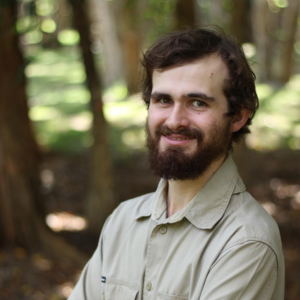
Patrick Babrant has dedicated more than 17 years to conservation, wildlife protection and community education. Inspired by childhood involvement with the critically endangered Kroombit Tinkerfrog, he has supported frog releases, acoustic monitoring and habitat protection in Kroombit Tops National Park. Patrick has removed more than 60,000 cane toads, contributed to native frog recovery and led community toad-busting events. Through NaturallyGC, Our Natural City, David Fleay Conservation Park and schools programs, he has promoted habitat restoration, invasive weed control, litter removal and hands-on environmental learning. His leadership, advocacy and wildlife rescue work inspire lasting community conservation action.
Kelly Gunn
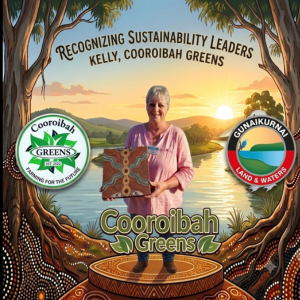
Kelly Gunn has created Cooroibah Greens as a 100% Indigenous-owned enterprise demonstrating how commercial farming can operate without environmental compromise. Located near Lake Cooroibah and the Noosa River catchment, the farm combines Caring for Country principles with off-grid, closed-loop hydroponics to protect waterways, soils and biodiversity. Kelly uses harvested rainwater, recirculating systems and 100% spray-free practices to eliminate runoff, reduce water use and safeguard wildlife. By cultivating native bush foods such as bush mint and bush spinach, she supports First Nations food sovereignty, reduces wild-harvesting pressure and offers a practical model for sustainable agriculture.
Susie Tomlinson
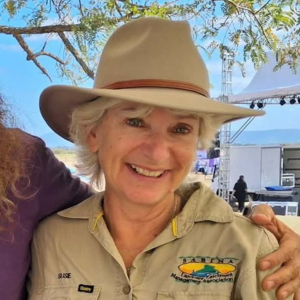
Susie Tomlinson has contributed to Landcare for around 20 years through property rehabilitation, nursery volunteering and her role as Sarina Landcare Nursery Officer since 2021. She collects seed, propagates and grows thousands of locally native plants for revegetation projects across the Sarina Catchment, while also supporting field teams, revegetation sites, the Sarina Community Native Gardens and nursery volunteers. Susie mentors volunteers in seed collection, propagation and nursery practice, building confidence and skills. Through community events, school days and environmental displays, she promotes locally native plants, habitat restoration, biodiversity protection and sustainable land management across the wider community.
Lachlan McBride
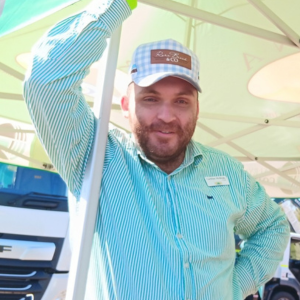
Lachlan McBride has provided strong leadership to Sarina Landcare Catchment Management Association since joining the Management Committee as Vice-Chair in 2020 and becoming Chair in 2021. Drawing on extensive agricultural experience and practical knowledge of landholder needs, he supports sustainable agriculture, conservation and community wellbeing across the Sarina Catchment. As Chair, Lachlan has strengthened governance, supported staff, fostered partnerships with landholders, industry and government, and helped guide the organisation through growth and change. His collaborative leadership, community volunteering and commitment to sustainable land management inspire others to participate in Landcare and protect the region’s natural resources.
Brisbane Intrepid Landcare
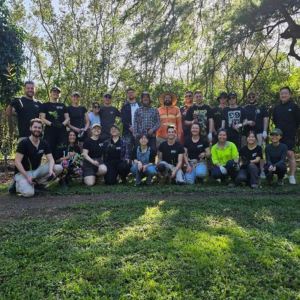
Brisbane Intrepid Landcare has created a regular, youth-led pathway into Landcare for young adults since 2017. Focused on people aged 18–35, the group combines bush regeneration, weeding, planting, citizen science and social connection across sites including Enoggera, Carindale, Whites Hill, Thornlands and Crow’s Nest. Its member-led approach gives young people genuine input into projects, helping volunteers stay engaged. The group runs training workshops, ecology campouts, leadership and wilderness retreats, and partners with local Landcare groups, Brisbane City Council, QPWS and others. Its work builds practical skills, environmental leadership and long-term youth participation in conservation.
Christopher Johnson
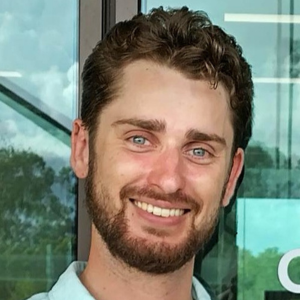
Chris Johnson has contributed strongly to youth Landcare through hands-on facilitation, communications and national governance. Since joining Brisbane Intrepid Landcare around 2018–19, he has coordinated local activities, led communications and facilitated wilderness retreats and ecology campouts from 2019 to 2025. Working with partners including QPWS, Biosecurity Queensland, Friends of Parks Queensland, Healthy Land & Water and B4C, Chris helped deliver restoration, monitoring and youth bioblitz activities, including significant records at Ravensbourne. Nationally, he served on the Intrepid Landcare board, contributed to youth forums, conservation workshops and resources, and now mentors emerging leaders. Chris has been nominated in 2 categories.
Woppaburra TUMRA Aboriginal Corporation
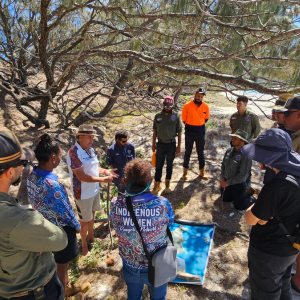
The Woppaburra partnership at Balban Dara Guya is restoring coastal ecosystems through a strong First Nations-led, collaborative model. Designed and delivered with the Woppaburra People, Woppaburra TUMRA Aboriginal Corporation and Woppaburra Rangers, the project brings together Ecosure, OzFish and CQUniversity to restore wetlands, shellfish reefs and seagrass meadows on Woppa. It builds Ranger capacity, combines traditional ecological knowledge with contemporary restoration techniques, protects cultural values and supports long-term stewardship. From 2024 to 2026, the project is improving a 65-hectare coastal area while strengthening cultural connection, skills transfer and future restoration planning across Woppaburra Land and Sea Country.
Watergum Community Inc
Mark Van Ryt

Treasurer and Southern/Northern Gulf Representative
Mark was elected to the Board in November 2025.
Mark was born and bred in the North West of Queensland and has a passion for the community, its history, cultural heritage, and the environment. He has previously served on Mount Isa City Council for two terms, was appointed to the regional NRM board and did some years as the Regional NRM Facilitator. Mark went on to found a Landcare group and reenergise another now called Gulf Rivers Landcare. Mark is continuing in the role of secretary for his landcare group. He is the regional weed spotter coordinator and the Sunfish representative for Southern Gulf.
Leo Perkins

Condamine/South West Representative
Leo was elected to the Board in November 2025.
Leo Perkins has a deep commitment to sustainability and the opportunities it brings to agriculture and natural resource management across the Condamine and Murray–Darling regions. He brings to the board skills in strategic planning, communications, ESG compliance, events and stakeholder engagement, grounded in practical experience managing conventional and organic agricultural operations in Southeast Queensland and northern NSW.
Debbie Seal

Burnett Mary Representative
Debbie was elected to the Board in November 2025.
Elected to the QWaLC board in November 2025, Debbie has for the past 30+ years worked with non-profit community environment organisations, including the Mary River Catchment Coordinating Committee (MRCCC) where she currently works part time, managing the group’s finances and providing project and administrative support.
In an honorary capacity, she also the Secretary/Treasurer of the Australian Native Animal Rescue and Rehabilitation Association (ANARRA), operating in the Gympie/Wide Bay region, and a volunteer on the Wildcare Australia 24 hour hotline. Debbie is deeply committed to providing support for sick, injured and orphaned native wildlife.
Debbie’s small acreage at Tamaree provides habitat for wallabies, possums, gliders, bandicoots and many species of native birds.
Chris Meibusch

Condamine/South West Representative
Chris was elected to the Board in November 2025.
Chris is a member of Save Mt Lofty Inc, an urban based landcare association located in Toowoomba, Southern Queensland. He has been project manager for recent successful government funded projects including the Toowoomba Escarpment Bushfire Preparation Project in 2022 and the Toowoomba Region Koala Habitat Project from 2023 – 2025.
From 2017 – 2020, Chris managed Save Mt Lofty’s campaign to protect critical koala habitat on the site of the former rifle range at Mt Lofty. Chris authored “Save Mt Lofty – Lessons for a Successful Community Campaign” – available via Apple e-Books. The 390ha rifle range site is now owned by ARTC Inland Rail as a biodiversity offset – which Save Mt Lofty Inc continues to monitor.
Over recent years, Chris has committed himself to community environmental and landcare work through Save Mt Lofty Inc, Pittsworth & District Landcare, Condamine Catchment Management Association and Darling Downs Environment Council.
For the last 5 years, through Save Mt Lofty Inc, Chris has managed the annual Toowoomba Region Koala Count as a community based citizen-science initiative.
Beyond his koala work, Chris’ major landcare focus has been on engagement of our older volunteer base with the wider community and with younger generations – in particular, through engagement with schools.
 Championing for our Members
 Stay Informed
 Keeping People Safe